

Nvidia remains at the centre of the intensifying US–China technology rivalry as recent high-level talks between the two nations left more questions than answers about chip export restrictions and market access.
In Busan, South Korea, US President Donald Trump met with Chinese President Xi Jinping to discuss semiconductor exports and broader trade issues. After the meeting, Trump described the United States as a “referee” between Nvidia and Chinese regulators, adding a new layer of ambiguity to the chip diplomacy landscape.
Tensions Over Chip Diplomacy Deepen
Earlier reports had hinted that the US might ease certain export restrictions on advanced AI chips bound for China. Nvidia, which recently became the first company to surpass a $5 trillion valuation, was hoping for clarity on whether Washington would adjust existing limits blocking its cutting-edge Blackwell AI processors from the Chinese market.
“I don’t have any new insight from the meeting,” Nvidia CEO Jensen Huang told reporters. “I hope that we will have new policies that allow Nvidia to go back into China, for China to welcome Nvidia back.”
Huang has previously argued that US export restrictions exaggerate national-security risks, warning that isolating China could weaken America’s global leadership in artificial intelligence.
Export Policy Confusion Persists
Even before Trump’s presidency, the US had limited sales of Nvidia’s most advanced chips to China. The Trump administration expanded those measures, banning the company’s H20 chip—a downgraded version built to comply with prior restrictions. The decision was later reversed in July, allowing limited exports while requiring 15 % of related revenue to be remitted to the US government.
Beijing responded by discouraging Chinese firms from purchasing the chips, citing security concerns. That move effectively closed Nvidia’s last remaining channel into the Chinese market.
The Busan meeting did little to alter that reality. Trump said Chinese officials would now engage directly with Nvidia, but offered no timeline or policy details.
Nvidia Expands Asian Partnerships
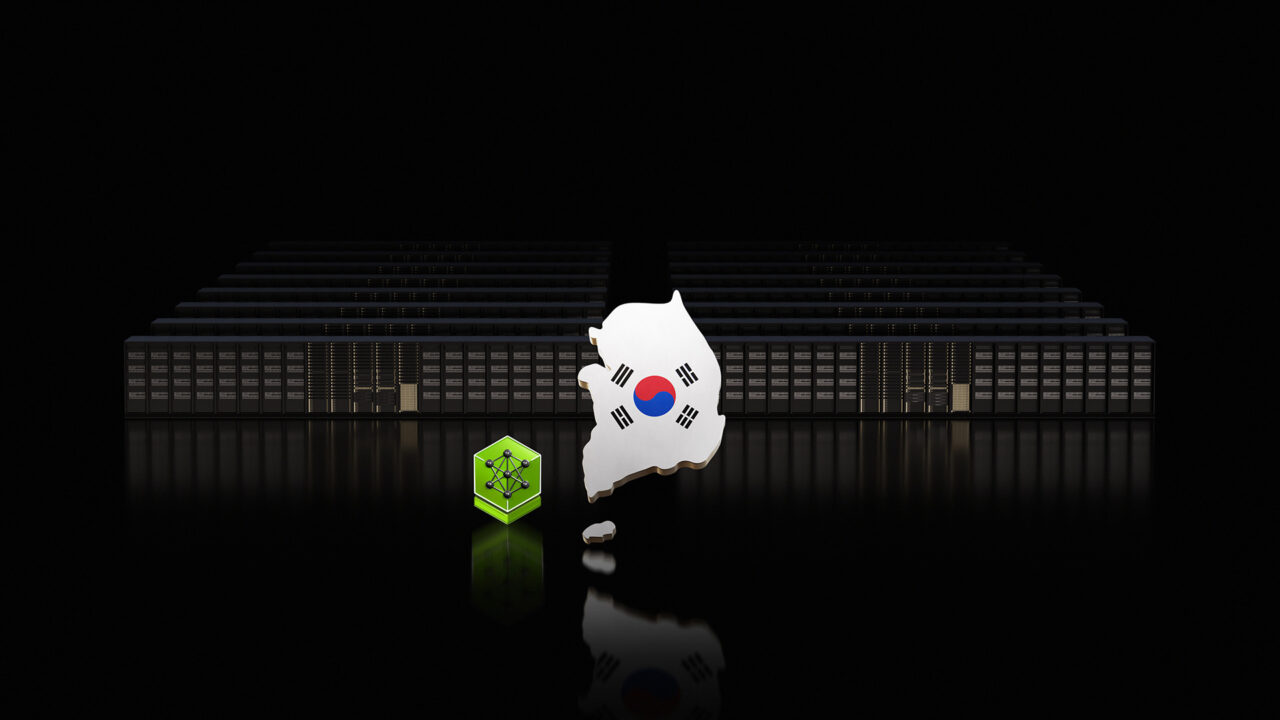
Despite the uncertainty, Nvidia continues to thrive globally. During his South Korea trip, Huang announced a major deal to supply over 250,000 AI processors to Samsung, Hyundai, and other companies contributing to the country’s national AI initiative.
This partnership strengthens Nvidia’s foothold in Asia, showing how the company is diversifying beyond China while maintaining its leadership in AI hardware and data infrastructure.
“It’s critically important for America to be back in the China market,” Huang said. “As an American company, we would like to see American AI technology become the global standard.”
Nvidia’s Global Leverage Remains Strong
Although the Trump–Xi talks did not deliver a breakthrough, Nvidia’s influence remains unrivalled. The company continues to define the pace of AI infrastructure development through strategic partnerships, reinforcing its dominant position even as China remains out of reach.
With expanding alliances in South Korea, Japan, and Europe, Nvidia is poised to offset the strategic losses in China and continue shaping the global AI ecosystem.
As geopolitical and technological rivalries intensify, one thing is clear: Nvidia will remain a key player in determining the future of AI and semiconductor innovation worldwide.
Want to dive deeper into how AI infrastructure is evolving? Read: BlackRock, Microsoft, and Nvidia Lead $40B Deal for Aligned Data Centers on TechRepublic.
Tags: Nvidia, AI Chips, US-China Tech War, Semiconductors, Jensen Huang, Global Trade, Technology News




0 Comments